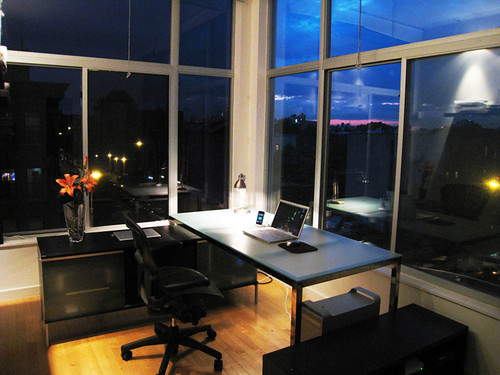
Photo by Jeremy Levine Design via flickr (BY)
Manager 1:1 structures in distributed teams are formalized, regular, and dedicated one-on-one meetings between a manager and their direct report, specifically designed and adapted to overcome the unique communication, engagement, and development challenges inherent in remote or hybrid work environments. Unlike traditional co-located 1:1s, these structures emphasize intentionality, structured agendas, and leveraging digital tools to foster connection, streamline feedback, and support individual growth across geographical distances and varying time zones. They serve as a critical anchor for maintaining team cohesion and individual productivity when spontaneous interactions are limited and non-verbal cues are often absent.
Key Takeaways
- Intentionality is Paramount: Distributed 1:1s require a deliberate structure and purpose to compensate for the lack of casual office interactions.
- Focus Beyond Task Updates: While progress is discussed, the core value lies in career development, well-being checks, and unblocking issues.
- Leverage Technology Wisely: Video conferencing, shared documents, and asynchronous tools are essential for effective remote 1:1s.
- Adaptability is Crucial: Schedules, meeting formats, and topics must be flexible to accommodate diverse time zones and individual needs.
- Empower Direct Reports: The most effective 1:1s are driven by the report's agenda, fostering ownership and proactive communication.
The Evolving Landscape: Why Distributed 1:1s Matter More Than Ever
The shift towards remote and hybrid work models, significantly accelerated by recent global events, has fundamentally reshaped how teams operate. Data from the Microsoft Work Trend Index consistently highlights the challenges of maintaining connection and fostering culture in this new paradigm, with many employees reporting feeling less connected to their teams and managers [https://www.microsoft.com/en-us/worklab/work-trend-index]. In a traditional office setting, managers could pick up on subtle cues—a quiet demeanor, a frustrated sigh, or an impromptu chat by the coffee machine—to gauge an employee's well-being or project roadblocks. These informal touchpoints are largely absent in distributed teams.
This is where a well-structured Manager 1:1 becomes indispensable. It transcends a mere status update meeting, evolving into a vital communication channel that replaces those serendipitous interactions. For managers, it provides a dedicated slot to understand individual challenges, offer support, and align on goals. For direct reports, it's an opportunity to voice concerns, seek guidance, discuss career aspirations, and feel seen and heard within the larger organizational matrix. Without these structured interactions, direct reports in distributed teams can experience isolation, reduced clarity on priorities, and a slower pace of professional development, all of which can contribute to disengagement and attrition.
This discussion is particularly crucial for organizations and individuals invested in remote work and productivity tools. Managers and individual contributors who rely on these tools daily need to understand how to optimize their human interactions, not just their digital workflows. The audience for this article includes team leads, project managers, department heads, and even individual contributors who want to advocate for more effective 1:1s with their managers in a remote setting. Ultimately, readers should walk away with actionable strategies to implement or refine their 1:1 processes, leading to stronger team dynamics and enhanced individual performance.
Practical Frameworks for Effective Distributed 1:1s
Structuring a 1:1 in a distributed team requires a deliberate approach that prioritizes engagement, clarity, and personal connection. Here are several practical frameworks and considerations:
1. The Blended Agenda Approach
Instead of a manager-led interrogation or an unstructured chat, a blended agenda ensures both parties come prepared and the meeting covers critical ground without feeling rigid.
Pre-Meeting Preparation (Asynchronous):
- Direct Report's Input (70%): Encourage the direct report to add items to a shared document (e.g., Google Doc, Notion, Asana, Trello) at least 24 hours in advance. This should include topics like:
- Challenges or roadblocks encountered.
- Recent successes or learnings.
- Requests for feedback or guidance.
- Career development discussions (e.g., training, new responsibilities).
- Well-being check-ins (e.g., workload stress, work-life balance).
- Ideas for team improvement.
- Manager's Input (30%): The manager reviews the report's items and adds their own, such as:
- Strategic updates or organizational news.
- Performance feedback (positive or constructive).
- Clarification on priorities or upcoming projects.
- Recognition for specific achievements.
- Follow-ups from previous 1:1s.
- Direct Report's Input (70%): Encourage the direct report to add items to a shared document (e.g., Google Doc, Notion, Asana, Trello) at least 24 hours in advance. This should include topics like:
During the Meeting (Synchronous - Video First):
- Prioritize Report's Agenda: Start by addressing the direct report's items first. This empowers them and ensures their most pressing concerns are heard.
- Active Listening & Empathy: In a remote setting, it's easier to multitask. Managers must actively listen, ask clarifying questions, and show empathy, especially when discussing well-being or challenges. Video calls are crucial here to pick up on non-verbal cues that audio-only calls miss.
- Feedback & Coaching: Dedicate time for both giving and receiving feedback. Use specific examples. For coaching, ask open-ended questions that encourage the report to find their own solutions rather than simply dictating answers.
- Action Items & Next Steps: Conclude with clear action items for both parties, noting who is responsible and by when.
Post-Meeting (Asynchronous):
- Summary & Follow-up: The manager or direct report (depending on agreement) should summarize key discussion points and action items in the shared document shortly after the meeting. This creates a historical record and ensures accountability.
2. The "Walk-the-Walk" Well-being Check-in
Given the blurred lines between work and home life in remote settings, employee well-being is a critical topic for 1:1s. A study by OSHA on telework guidance emphasizes the importance of addressing employee safety and health, which extends beyond physical safety to mental well-being [https://www.osha.gov/telework].
- Dedicated Segment: Always allocate 5-10 minutes at the beginning of the 1:1 to genuinely check in on the individual.
- Open-Ended Questions: Instead of "How are you?", try:
- "What's been energizing you lately, and what's been draining you?"
- "How are you managing your workload and boundaries?"
- "What support do you need from me or the team to feel more balanced?"
- "Are there any non-work-related stressors impacting your focus?"
- Listen Without Judgment: The goal is to understand, not to fix everything immediately. Sometimes, just being heard is enough. If professional help is needed, managers should be aware of company resources (EAP, HR).
3. Career Development & Growth Trajectories
Remote work can sometimes make career progression feel less transparent. 1:1s are the primary vehicle to combat this.
- Regular Review: At least quarterly, dedicate a portion of the 1:1 to revisiting career aspirations, skills development, and potential growth opportunities within the company.
- Skill Matrix & Learning Paths: Discuss specific skills the report wants to develop and identify resources (online courses, internal mentors, project assignments). Tools like LinkedIn Learning or internal knowledge bases can be integrated here.
- Project Alignment: How do current projects align with the report's long-term goals? Are there opportunities to stretch their capabilities?
4. The "Reverse 1:1" for Manager Feedback
To foster trust and continuous improvement, managers should regularly solicit feedback on their own performance.
- Dedicated Time: Schedule 5-10 minutes towards the end of select 1:1s (e.g., monthly or quarterly) specifically for the direct report to provide feedback to the manager.
- Specific Prompts:
- "What could I do differently to support you better?"
- "Is there anything I'm doing that makes your work harder or easier?"
- "How could our team communication be improved?"
- "Am I providing enough clarity/autonomy/feedback?"
- Receive Gracefully: Managers must model good feedback reception—listen, thank the report, and avoid defensiveness. Follow up on the feedback in subsequent meetings.
Example 1: The Software Development Team's Weekly Sync
- Team: Distributed Software Engineering Team (across 3 time zones).
- Frequency: Weekly, 45 minutes.
- Tool: Google Meet for video, Notion for shared agenda and notes.
- Structure:
- First 10 min: Personal check-in (e.g., "What's one non-work highlight from your week?").
- Next 25 min: Direct report's agenda items (e.g., "Blocked on API integration," "Want to discuss architecture for Module X," "Feedback on code review process").
- Last 10 min: Manager's items (e.g., "Upcoming sprint priorities," "Team-wide security training reminder," "Recognition for resolving critical bug Y," "Follow-up on last week's discussion about documentation standards").
- Outcome: Clear action items, sense of connection, proactive problem-solving.
Example 2: The Marketing Director's Bi-Weekly Development Chat
- Team: Hybrid Marketing Team (some co-located, some remote).
- Frequency: Bi-weekly, 60 minutes.
- Tool: Zoom for video, Trello board for career development roadmap.
- Structure:
- First 5 min: General well-being and project temperature check.
- Next 25 min: Current project status, challenges, and immediate needs (report-driven).
- Next 20 min: Deep dive into career development (e.g., "Reviewing progress on leadership course," "Discussing potential for leading the Q3 campaign," "Identifying a mentor for data analytics").
- Last 10 min: Manager feedback for report, and report feedback for manager.
- Outcome: Consistent professional growth, strong manager-report trust, clear path for advancement.
Common Mistakes or Risks in Distributed 1:1s
Even with the best intentions, distributed 1:1s can falter. Awareness of these pitfalls is the first step to avoiding them.
- Treating it as a Status Update: The most common trap. If the 1:1 is just a reiteration of what's already in project management tools, it loses its value. Managers must actively steer conversations towards development, well-being, and broader strategic alignment.
- Lack of Preparation: If either party consistently comes unprepared, the meeting becomes a waste of time. Managers should model good preparation and gently remind reports of the shared agenda's purpose.
- Inconsistent Scheduling: Irregular or frequently canceled 1:1s signal that these meetings are not a priority. This erodes trust and makes reports less likely to bring critical issues forward. Consistent scheduling, even if brief, is vital.
- Ignoring Time Zone Differences: For global teams, forcing late-night or early-morning calls can lead to burnout and resentment. Managers must be flexible, potentially rotating meeting times or offering different slots. Asynchronous pre-work becomes even more critical here.
- Over-reliance on Audio-Only Calls: While sometimes necessary, defaulting to audio-only deprives both parties of valuable non-verbal cues. Video calls, whenever possible, help build rapport and understanding, especially for sensitive topics. The Atlassian remote work blog frequently emphasizes the importance of video for connection [https://www.atlassian.com/blog/remote-work].
- Manager Doing All the Talking: A 1:1 is primarily for the direct report. Managers should aim for an 80/20 listening-to-talking ratio, empowering the report to lead the discussion.
- Failing to Follow Up: Discussing action items without documenting them or following up on progress renders the discussion incomplete. This reduces accountability and the perception of the 1:1's effectiveness.
- Lack of Psychological Safety: If direct reports fear judgment or negative repercussions for sharing challenges, well-being concerns, or constructive feedback, the 1:1 becomes performative. Managers must cultivate a safe space where vulnerability is accepted. Harvard Business Review often spotlights the critical role of psychological safety in team performance [https://hbr.org/topic/subject/remote-work].
What Should Readers Do Next?
For managers, evaluate your current 1:1 structure against the frameworks presented. Consider implementing a shared agenda document if you don't already have one. Experiment with different question types for well-being and career discussions. For individual contributors, proactively shape your 1:1s by coming prepared with your own agenda items. Don't wait for your manager to ask; bring your challenges, successes, and development aspirations to the table. Advocate for consistent, structured 1:1s if your team lacks them. Both parties have a role in making these meetings effective for fostering connection and growth in a distributed world. This information is intended for general educational purposes.
Frequently Asked Questions
Q1: How often should 1:1s be held for distributed teams?
A1: The ideal frequency varies by team, individual, and role, but generally, weekly or bi-weekly is recommended. For new hires, during critical project phases, or for individuals needing more support, weekly 1:1s are highly beneficial. For more senior, autonomous team members, bi-weekly might suffice. Consistency is more important than rigid adherence to a schedule.
Q2: What's the optimal duration for a remote 1:1?
A2: A standard duration is 30-60 minutes. For weekly check-ins, 30-45 minutes can be sufficient if both parties are prepared with a clear agenda. For bi-weekly or monthly meetings that delve deeper into career development or complex issues, 60 minutes is often more appropriate. The key is to ensure enough time for meaningful discussion without feeling rushed.
Q3: How do you handle time zone differences for global teams in 1:1s?
A3: Flexibility is paramount. Options include:
* Rotating times: Alternate meeting times so the burden of early/late calls isn't always on the same person.
* Manager flexibility: Managers should be willing to adjust their own schedule to accommodate direct reports in very different time zones.
* Asynchronous pre-work: Maximize the value of the synchronous meeting by ensuring all agenda items and background information are shared well in advance in a shared document.
* Shorter, focused calls: If scheduling is extremely difficult, consider more frequent but shorter calls.
* Leverage asynchronous communication: Use tools like Slack or dedicated platforms for quick check-ins outside of formal 1:1s.
Q4: Should I use a specific tool for managing 1:1 agendas and notes?
A4: Yes, using a shared digital tool is highly recommended. Popular options include:
* Project Management Tools: Asana, Trello, Monday.com, Jira (for task-oriented items).
* Document Collaboration Tools: Google Docs, Microsoft Word Online, Notion, Confluence (for more free-form discussions, career plans, and feedback).
* Dedicated 1:1 Tools: Fellow.app, Hypercontext, Friday.app (often integrate with calendars and provide templates).
The most important aspect is that it's accessible to both manager and direct report, allows for collaborative editing, and provides a historical record.
Q5: My direct report rarely adds items to the agenda. What should I do?
A5: This is a common challenge. Try these approaches:
* Reinforce the purpose: Explain that the 1:1 is their time, for their growth and concerns, not just a status update.
* Provide examples: Share a template or examples of good agenda items.
* Ask specific pre-meeting questions: Instead of "Add your agenda," ask "What's one challenge you're currently facing?" or "What's one skill you want to develop?"
* Start with personal check-ins: Sometimes, a general conversation can uncover underlying issues that then become agenda topics.
* Model the behavior: Consistently add your own meaningful agenda items.
* Directly address it: "I've noticed you don't always add items to the agenda. Is there anything preventing you from doing so? How can I make this space more useful for you?"
Q6: How can I make 1:1s less awkward and more engaging virtually?
A6:
* Always use video: Seeing facial expressions and body language is crucial for connection.
* Start with a personal check-in: Dedicate the first few minutes to non-work topics to build rapport.
* Active listening: Minimize distractions, make eye contact with the camera, and ask follow-up questions.
* Vary the format: Occasionally, suggest a "virtual coffee chat" or a "walk and talk" (where both walk while on the call) to break monotony.
* Share context: Provide clear context for any feedback or discussion points.
* Encourage candidness: Create a psychologically safe space where it's okay to discuss struggles.
References
- Microsoft. (n.d.). Work Trend Index. Retrieved from https://www.microsoft.com/en-us/worklab/work-trend-index
- Occupational Safety and Health Administration. (n.d.). Telework Guidance. Retrieved from https://www.osha.gov/telework
- Atlassian. (n.d.). Remote Work Blog. Retrieved from https://www.atlassian.com/blog/remote-work
- Harvard Business Review. (n.d.). Remote Work. Retrieved from https://hbr.org/topic/subject/remote-work

Photo by Johan Larsson via flickr (BY)
Referenced Sources
- Microsoft Work Trend Index — Microsoft
- OSHA Telework Guidance — OSHA
- Atlassian Remote Work Blog — Atlassian
- Harvard Business Review Remote Work — HBR